
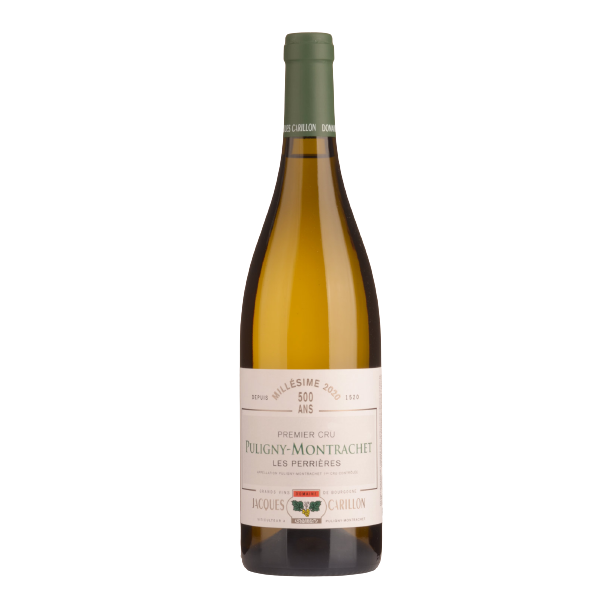
Producer Profile
The Quiet Master of Puligny-Montrachet
While the name Carillon has been synonymous with Puligny-Montrachet since the 16th century, the modern iteration of Domaine Jacques Carillon was established in 2010.
Following the retirement of their father, Louis, the legendary family estate was split between brothers Jacques and François.
Since then, Jacques has solidified his reputation as a “vigneron’s vigneron,” producing wines that are the stylistic antithesis of showy—they are focused, mineral-drenched, and built for the long haul.
The Philosophy: Precision and Patience
Jacques Carillon is often described as a meticulous and quiet traditionalist. His approach in both the vineyard and cellar is characterized by a “hands-off but highly attentive” philosophy.
- Vineyard Work: The domaine manages roughly 5.25 hectares, predominantly in the best climats of Puligny. Jacques practices a near-organic methodology; no herbicides are used, and the soil is turned by plow and by hand to encourage deep root systems.
- Restraint: He is famously cautious with new oak, typically limiting it to 15–25%, even for his Grand Cru. This ensures that the “sanguine minerality” and the unique limestone signature of each parcel remain the focus.
- The “Rest” Period: A signature of the estate is the extended élevage. After a year in barrel, the wines are moved to stainless steel vats for an additional six months. This settling period “tightens” the wines, sharpening their mineral edges before bottling.
The Signature Style
A Jacques Carillon wine is rarely flamboyant in its youth. Instead, the style is defined by:
- Vertical Tension: A “coiled spring” energy that values acidity and limestone drive over fruity sweetness.
- Textural Breadth: Especially in plots like Champ Canet, there is a characteristic “dry extract” or “sap” that gives the wine weight and density without feeling heavy.
- Age-Worthiness: These are arguably some of the most consistent and age-worthy white wines in the Côte de Beaune, often requiring 5–8 years to truly begin showing their complexity.