Description
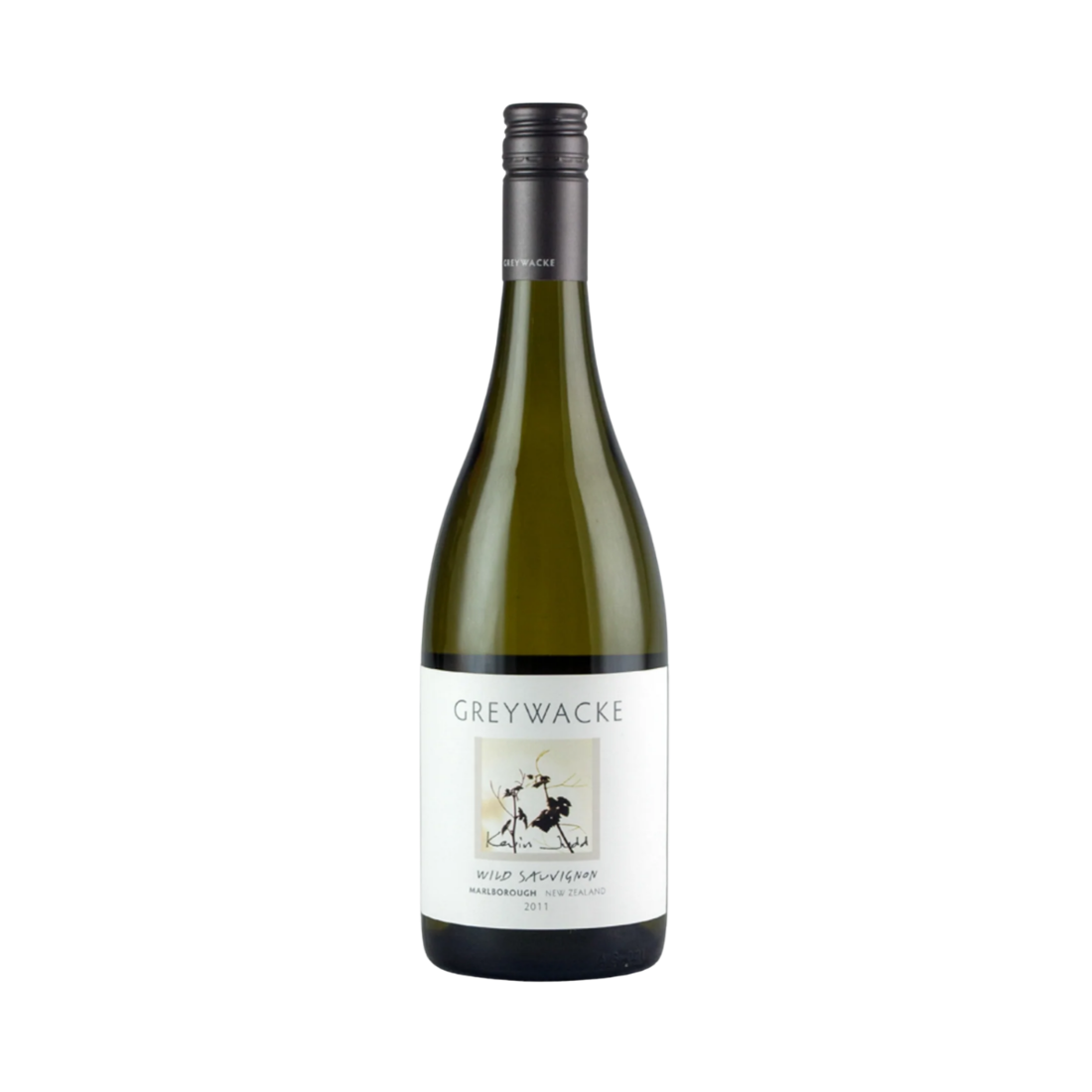
he 2023 Greywacke “Wild Sauvignon” is the signature “alternative” expression from Marlborough pioneer Kevin Judd. While most New Zealand Sauvignon Blanc is defined by high-octane fruit and stainless steel, the “Wild” is a sophisticated, textural masterpiece that prioritizes savory complexity and age-worthiness over simple “thiol” aromatics.
In 2024 and 2025, this vintage emerged as a “showstopper,” with critics highlighting its exceptional balance between Marlborough’s vibrant fruit and a refined, smoky minerality.
An “Untamed” Style
The 2023 “Wild” is crafted using traditional, old-world techniques that move away from the “tank-farm” method.
Wild Ferment: The juice underwent spontaneous fermentation using only indigenous (wild) yeasts. This process is slow—often taking over six months—and adds a layer of “funk,” spice, and savory depth.
Oak Maturation: Unlike the standard Greywacke Sauvignon, the “Wild” was fermented and aged in French oak barriques (primarily older wood) to build a creamy, weighted texture without overwhelming the wine with toast or vanilla.
Malolactic Influence: Approximately two-thirds of the blend underwent malolactic fermentation, softening the variety’s sharp edges and contributing to a “lemon curd” richness.
Patience: The wine spent an additional six months on yeast lees after being transferred out of oak, further enhancing its “biscuit” and “nutty” complexity.
The Appearance: Pale straw with shimmering golden hues.
The Nose: An intricate “kaleidoscope.” Aromas of rock melon, lime zest, and toasted coconut are layered with savory notes of thyme, ginger, and a whiff of wood smoke.
The Palate: Expansive and lush. It features a “juicy foundation” of tangelo and lemon curd, balanced by a generous spine of acidity and a unique chalky, oyster-shell minerality.
The Finish: Long, dry, and evocative, with a “flinty” persistence that sets it apart from conventional Marlborough styles.
Producer Profile
Greywacke (pronounced grey-wacky) is one of the most prestigious family-owned labels in New Zealand. While it is a relatively young estate, having released its first vintage in 2009, its pedigree is rooted in the very foundation of the Marlborough wine region.
The winery is named after New Zealand’s ubiquitous bedrock—the high-density, grey river stones that define the alluvial soils of the Wairau Plains and the Southern Valleys.
Greywacke, one must understand Kevin Judd. Born in England and trained in Australia, Judd moved to New Zealand in 1983 and became the founding winemaker at Cloudy Bay.
- The Global Pioneer: During his 25-year tenure at Cloudy Bay, Judd was the primary architect of the “Marlborough Style”—that explosive, zingy, and fruit-driven Sauvignon Blanc that conquered the global market in the 1980s and 90s.
- A Shift in Vision: After decades of defining the region’s commercial success, Judd launched Greywacke to explore a more “unplugged” and artisanal side of Marlborough.
- The Artist: Judd is also one of the world’s leading vineyard photographers. His iconic, atmospheric landscape shots grace every Greywacke label, reflecting his “quiet, observant” approach to both art and winemaking.
The Philosophy: “Low Intervention, High Texture”
While many Marlborough producers focus on high-volume, stainless-steel production, Greywacke operates at a boutique scale with a focus on textural depth and savory complexity.
- Sourcing: The fruit is sourced from prime, mature vineyards in the Southern Valleys and the central Wairau Plains. These sites are selected for their lower yields and higher flavor concentration.
- Two Paths for Sauvignon: Greywacke produces two distinct styles. The “standard” Sauvignon is vibrant and zesty, while the “Wild Sauvignon” is fermented with indigenous yeasts in old oak barrels—a technique that prioritizes “funk,” smoke, and creamy weight over simple fruit.
- The Portfolio: Beyond Sauvignon, Greywacke is a specialist in Pinot Noir (often cited for its “Burgundian” elegance), as well as highly acclaimed Chardonnay, Riesling, and Pinot Gris.
Winemaking & The “Wild” Signature
The winemaking is currently conducted at Dog Point Vineyard in the lower Brancott Valley, a facility shared with fellow Cloudy Bay alumni.
- Wild Yeasts: A hallmark of the premium Greywacke range is the use of spontaneous fermentation. By allowing “wild” vineyard yeasts to drive the process, the wines achieve a unique “savory-saline” profile that cannot be replicated with commercial yeasts.
- Longevity: Because of the high natural acidity and the use of lees-aging (and sometimes oak), Greywacke wines are famously more age-worthy than their peers. It is not uncommon for a “Wild Sauvignon” to drink beautifully 10 years after its vintage.